Erectile Dysfunction: Why Can't I Get & Stay Hard During Sex?

Every single man on planet Earth knows the feeling. You’re trying to get it on with your lover, but your penis is simply not cooperating. No matter what you do, how hard you try, or how much they try, it is still going to do whatever it wants to do.
It can feel like betrayal. It can feel like impotence, weakness, or like everything is falling apart right now. It feels terrible, and when it happens, you want to know what to do.
There have already been plenty of conversations about erectile dysfunction, but many of them stay shallow in a few important places. Yes, anxiety, ADHD, autism, distraction, and physical health can all play a part. But sometimes erectile dysfunction is also a sign that you do not want what is happening, you do not feel safe or secure, your body needs something different, or you simply need to be doing something else.
Let’s go deeper.
What Counts as Erectile Dysfunction?
Before trying to solve erectile dysfunction, you need to know whether you actually have it.
In basic terms, erectile dysfunction means regularly being unable to get or maintain an erection firm enough for the kind of sexual activity you want to have. That does not mean your penis must be rock hard every time. It only needs to be functional for the task at hand.
That distinction matters because there is no single level of hardness that every penis must reach. Erections naturally vary from person to person and from one encounter to another. The penis may be firm but still somewhat pliable. A useful comparison is a ripe banana wrapped in leather: substantial enough to hold its shape, but not as hard as a brick.
Before freaking the fuck out, take a breather and check if what’s happening is natural and normal for your body. One disappointing or uncooperative erection, or even the feeling that it has happened, does not automatically mean you have erectile dysfunction. Even if you have felt that panic, it does not mean the story your panic is telling you is true.
First Ask: Do You Actually Want This?
The first answer in almost every article about erectile dysfunction is that the problem may be mental. Usually, the conversation moves directly to performance anxiety. What people do not mention enough is that perhaps it is happening because you do not want what is happening.
There is pressure on men to be horny, desirous, and ready for sex all the time. The truth is that men are still human. We want what we want, and we do not always want what is being offered.
If you are in a sexual situation and cannot get hard, ask yourself:
- Do I want to be here?
- Do I want to do this?
- Do I want to be with this person?
- Do I feel comfortable and safe?
- Am I enjoying the kind of sex we are attempting?
This question may feel complicated in a long-term relationship, but it is still worth asking. With a new or casual partner, erection trouble may be your cue to pause, check in with yourself, change what you are doing, or leave.
Stress Can Interrupt the Erection Process
Arousal and erection are multistep processes involving the brain, nerves, blood vessels, hormones, and emotions. Blood vessels relax and allow more blood into the penis, and the surrounding tissues help hold that blood in place.
Stress can interfere with that process. Work stress, relationship stress, money problems, family responsibilities, and the pressure of being with a new person can all make it harder for your body to shift into an aroused state.
Sometimes the unfinished business in your head is the problem. For many people, relaxation and sex feel like rewards that come after a hard day’s work. If your brain is still cycling through everything you were supposed to finish, you may need to cross your T’s, dot your I’s, and give yourself permission to relax before your body is ready for pleasure.
I am not saying that mindset is right or wrong. I am saying that it is real for a lot of people. If that sounds like you, finishing the day’s most important tasks or intentionally deciding what can wait until tomorrow may help your brain finally say, “Okay. Now I can have fun.”
Sometimes You Are Simply Tired
You can also just be sleepy.
Poor sleep and fatigue can reduce sexual desire and make erections less reliable. If you have trouble getting hard after an exhausting day, the immediate solution may be sleep rather than another technique.
If erection trouble happens frequently at night, try having sex when you are rested. Morning or daytime sex may reveal that your body works differently when you have more energy. If erections are consistently easier when you wake up but difficult with a partner, that information may also help you and your doctor understand whether stress, context, or performance pressure is contributing.
Anxiety, Depression, ADHD, and Autism
Anxiety and depression can both affect sexual desire, arousal, focus, confidence, and the physical erection process. Some medications used to treat them can also cause sexual side effects.
ADHD may make it difficult to hold attention on the sensations that build arousal. Autism can introduce sensory needs, overstimulation, difficulty shifting between activities, or a need for greater predictability and safety. None of that means something is inherently wrong with you. It means your sexual environment may need to fit your brain and body more intentionally.
Try adjusting the environment:
- Lower the lights.
- Reduce distracting sounds.
- Use scents and textures you enjoy.
- Give yourself more time to transition into sex.
- Be specific about the stimulation you want.
- Stop trying to perform activities you do not actually enjoy.
If the problem is frequent or distressing, talk with a healthcare professional who understands your mental health and medications. A therapist or sex therapist may also help you work through performance anxiety, body image, relationship conflict, or sexual shame.
Confidence and Sexual Security Matter
One mental factor that is often ignored is a lack of security within yourself.
The ability to become erect in response to stimulation is a complicated interaction between the brain and body. If you believe you cannot do it, fear that your erection will not be impressive enough, or worry that you will not know how to use it, those fears can get in the way of arousal.
Confidence and self-efficacy matter. That does not only mean confidence in the size of your penis. It can mean confidence in your presence, power, virility, attractiveness, sexual knowledge, or ability to please your partner.
When someone feels safe and self-assured, they are often able to stay present with pleasure. When someone is monitoring every change in hardness and treating it like a test they may fail, they are no longer fully participating in the sexual experience.
You may not be able to think your way into an erection, but you can work on the beliefs and circumstances that keep pulling you out of one.
Practical Solutions You Can Try
The right solution depends on the cause. Exercise, nutritious food, adequate sleep, smoking cessation, and management of conditions such as diabetes or high blood pressure can all support erectile health over time. But there are also practical tools and changes that may help in the moment.
Pause and Change the Activity
An erection does not have to be the center of every sexual encounter. If penetration is not working, stop turning it into a battle. Kiss, touch, masturbate, use your mouth, use toys, give a massage, or do something else you both enjoy.
Removing the immediate demand for penetration can reduce performance pressure. Your erection may return once you are enjoying yourself again. If it does not, you can still have sex.
Try a Different Position
Some people can maintain an erection easily in one position but lose it in another. The position of your entire body, the amount of physical effort involved, and the direction in which the penis is pointing can all affect comfort, stimulation, and blood flow.
Many people assume they should be able to perform in every position all the time, but bodies have ergonomics. If an erection starts disappearing, change positions and see what happens. Choose positions that are comfortable, stimulating, and do not require you to hold your body in a stressful way.
Consider a Cock Ring
A cock ring is worn around the base of the penis or around the penis and testicles. It slows the outflow of blood from an already engorged penis, which may help make an erection firmer or last longer.
Cock rings come in different materials and styles. Flexible silicone is often more forgiving for beginners. A cock sling goes around the penis and testicles while separating or pulling the testicles away from the body, adding a different kind of pressure and stimulation.
Fit and timing matter. Measure according to the manufacturer’s directions and begin with an adjustable or flexible design. It should feel snug, not painful or numb. Remove it immediately if you notice pain, significant discoloration, cool skin, or loss of sensation.
Cock rings are often treated as sex toys, but similar constriction rings are also used as erection aids. If you take blood thinners, have a bleeding disorder, reduced genital sensation, or another relevant medical condition, ask your clinician whether one is safe for you.
Use a Penis Pump
A penis pump, also called a vacuum erection device, uses negative pressure to draw blood into the penis. Once the penis becomes erect, a constriction ring can be placed at the base to help maintain the erection.
This can be especially helpful when getting enough blood into the penis is the main problem. Use a device with a vacuum limiter and follow its directions carefully. Excessive pressure can cause pain, bruising, or injury. A doctor or urologist can explain how to use a medical-grade device correctly. But these are available over the counter at sex toy stores.
Use Lube and Focus on Sensation
Good lubrication reduces friction and makes stimulation more comfortable. Comfort matters because pain, irritation, and excessive effort can pull you out of arousal.
Some people also enjoy topical CBD products and report that CBD lube changes sensation or makes the penis feel more full or “plush.” That is a personal experience, not proof that CBD lube treats erectile dysfunction. Research on topical CBD for erections is limited, and these products should not replace medical care.
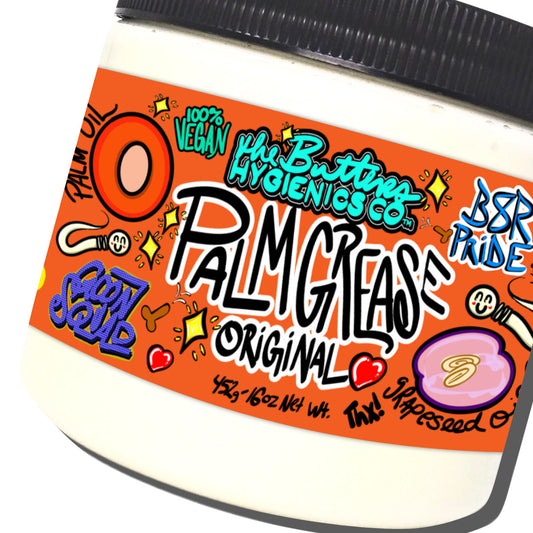
If you want to explore the sensation for yourself, Palm Grease with CBD is available in multiple sizes, textures, and scented or unscented options at GetTheButters.com. Think of it as a pleasure product that may support your experience, not as an erectile dysfunction cure.
When Medication May Help
Prescription erectile dysfunction medications have helped many people live more sexually vibrant lives. Depending on the medication, it may be taken daily or as needed. These medicines make it easier for the erection process to work when you are sexually stimulated; they do not manufacture desire or resolve every psychological and relationship concern.
Talk with a doctor before using erectile dysfunction medication. This is especially important if you have cardiovascular or blood pressure concerns. Erectile dysfunction drugs can interact dangerously with nitrates used for chest pain, and some combinations can cause a severe drop in blood pressure. Make sure every prescriber knows which medications and supplements you use.
Do not take someone else’s medication or buy unregulated “male enhancement” pills. A clinician can help you choose an option that fits your health history.
Medical Causes Need Medical Attention
Persistent erectile dysfunction can be related to many physical concerns, including:
- Cardiovascular or blood vessel disease
- Diabetes
- High blood pressure
- Hormonal changes, including low testosterone
- Nerve injury or neurological conditions
- Medication side effects
- Peyronie’s disease or other structural changes
- Pelvic surgery or radiation
- Prostate disease or prostate treatment
Prostate health is one part of the conversation, especially as people age, but it cannot be diagnosed at home. Erectile problems can also appear after prostate surgery or treatment. A urologist is the specialist who evaluates the urinary system and male reproductive organs, including the penis, testicles, and prostate.
Depending on the cause, medical options may include medication, vacuum devices, injections, counseling, treatment of an underlying condition, or surgery. Surgery is generally considered when less invasive options have not worked or are not appropriate. A urologist can explain the benefits, risks, and realistic outcomes.
When Should You See a Doctor?
Make an appointment if erection problems:
- Happen regularly or are getting worse
- Continue for several weeks or months
- Cause significant distress or relationship problems
- Occur along with reduced desire, pain, curvature, urinary symptoms, or other changes
- Begin after starting a medication
- Occur when you have diabetes, heart disease, high blood pressure, or other cardiovascular risks
Erectile Dysfunction Does Not Own You
Erectile dysfunction is complicated, and nobody particularly enjoys talking about it. The causes can be physical, mental, emotional, relational, or several of those at once. That does not mean you cannot figure out what is happening.
You are not automatically weak, impotent, unhealthy, or old. You are not doomed because your penis no longer responds exactly as it did when you were a teenager. One difficult night does not define you, and an ongoing health condition does not take away your sexuality.
The right response may be as simple as sleeping, changing positions, choosing a different sexual activity, or using a cock ring. It may require a deeper conversation with yourself or your partner. It may mean seeing a doctor, trying medication, or considering another medical treatment.
Whatever the solution, there likely is one. Meaning, your erectile dysfunction doesn't have to own your life. And, frankly, that's pretty darn rad.