Vaginal Dryness: Causes, Solutions, Pre & Post Menopause
Share
Vaginal dryness. Even that phrase probably made you cringe. You may already want to click away and do almost anything else. I get it. Vaginal dryness is one of the least talked-about issues in sexual health, which is exactly why we need to talk about it.
About one in six women experience vaginal dryness periodically before menopause. After menopause, more than half experience it. That is a lot of women dealing with a real issue that can cause substantial discomfort.
Today, we are talking about everything you need to know to keep your vagina as moist, comfortable, and ready as it needs to be to get the job done.
How Wet Is the Vagina Supposed to Be?
Before we can fix vaginal dryness, we need to understand how the vagina should feel at rest and how it should feel when aroused.
At rest, it simply needs to feel comfortable. There is no universal standard for exactly how moist it should be. If you are not experiencing dryness, pain, aching, irritation, or spotting, you are probably fine.
When aroused, however, we do have a practical standard: it needs to be wet and slippery enough to prevent friction.
Slippery is the main word to remember.
There should be enough lubrication that whatever is moving in and out can glide easily. There should not be a dragging, grabbing, or scraping sensation. Vaginal lubrication is naturally fairly thin, more like a slippery fruit juice or soapy water than a thick syrup or gel. The goal is not thickness. The goal is slip.
What Does Vaginal Dryness Feel Like?
Vaginal dryness may feel like:
- General discomfort
- Burning or itching
- A tacky or dragging sensation
- Pain during penetration
- Soreness afterward
- Bleeding or spotting caused by friction
- Frequent or recurring urinary tract infections
If you frequently experience UTIs after sex, you may assume the problem is your partner or hygiene. Depending on your situation, insufficient lubrication and irritated tissue may also be contributing factors.
Why Does Vaginal Dryness Happen?
Many people assume vaginal dryness is mainly related to general fitness. There is a little truth there, but the connection is not as direct as it is with erectile dysfunction.
Erections are closely connected to cardiovascular health, so improving cardiovascular fitness can often improve erectile function. Vaginal lubrication is influenced more heavily by arousal, hormones, medications, and the health of the vaginal tissue. Exercise can still support overall sexual health, blood flow, body awareness, and arousal, but getting fit will not necessarily resolve vaginal dryness by itself.
Not Enough Arousal
One of the most common reasons someone is not wet enough is that the body has not been given enough time.
In other words, you may need more foreplay.
Studies have found that people often report spending only eight or nine minutes on foreplay, while both men and women say they would prefer something closer to 18 minutes. If your body needs the full 18 minutes, give it the full 18 minutes.
Foreplay is not supposed to be a short ceremonial activity you rush through to reach the good stuff. For many people, foreplay is the good stuff. Intercourse can be the ceremonial ending to the larger sexual experience.
Moving too quickly can also create stress and anxiety. If you feel rushed or pressured to perform, it may become even harder for your body to relax, become aroused, and allow the juices to flow. That is both a metaphor and, in this case, a literal description.
Hormonal Changes
If arousal is not the issue, the next likely place to look is hormones.
Vaginal dryness may occur during:
- Different stages of the menstrual cycle
- Pregnancy or breastfeeding
- Perimenopause or menopause
- Certain cancer treatments
- Treatment with anti-estrogen medications
- Surgery involving the ovaries
Anything that substantially lowers estrogen can reduce vaginal moisture and affect the thickness, softness, and elasticity of the vaginal tissue.
Medications and Health Conditions
Certain medications, including some antidepressants and allergy medicines, can contribute to vaginal dryness. Medical conditions such as diabetes and Sjögren syndrome can also affect lubrication.
Dehydration may contribute to general discomfort, but drinking more water will not necessarily correct dryness caused by hormones, medication, or changes in the vaginal tissue.
Irritation
The third major category is irritation. Soaps, perfumes, fragranced washes, douches, laundry products, and other irritants can disturb the sensitive tissues of the vulva and vagina.
If dryness or irritation began after introducing a new product, stop using it and see whether the discomfort improves.
Vaginal Moisturizer Versus Sexual Lubricant
Once you know what may be causing the dryness, you can start looking at solutions. Two of the most important products to understand are vaginal moisturizers and sexual lubricants.
- A vaginal moisturizer is used outside active sexual activity. It helps keep the vaginal walls and surrounding tissues moisturized, soft, and comfortable on an ongoing basis.
- A sexual lubricant is used during sexual activity. Its job is to create the slick, slippery glide that reduces friction during penetration or external stimulation.
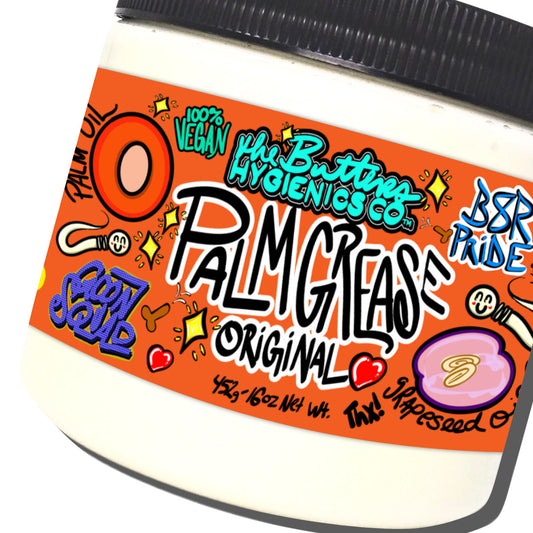
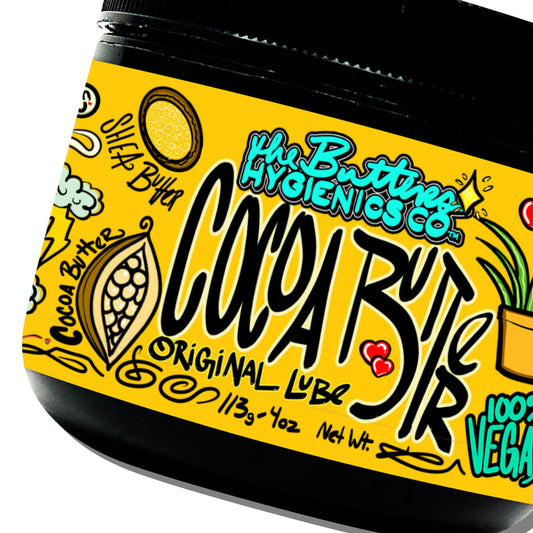
Most products do one job or the other. Some products, including our Aloe X Shea and Cocoa Butter lubricants, are designed to serve as both vaginal moisturizers and sexual lubricants.
If you want a straightforward water-based lubricant, our Water X Hyaluronic is designed specifically for lubrication. Water-based lubricants are also widely available from other brands if that is what you prefer.
Oil-based lubricants are not compatible with latex condoms because oils can weaken latex. If condoms or barriers are part of your sexual routine, check the compatibility instructions for both the lubricant and the specific barrier you use.
Whatever lubricant you choose, use enough. If you are dealing with vaginal dryness, a tiny, dainty, respectable drop may not get the job done. Go ahead and slather it on. Reapply whenever you notice the glide becoming tacky or draggy.
If a lubricant causes burning, itching, stinging, or increased irritation, stop using it. Wash it away if possible and try something else.
The Free Option: More Foreplay
Lubricant is the most direct solution for friction, but more foreplay is free and may allow the body more time to produce its own lubrication.
Again, aim for the amount of time your body actually needs. The average does not dictate your personal requirement. If you need 18 minutes or longer, take that time.
Intercourse itself often lasts only around seven minutes. That means foreplay may occupy more time than penetration, which is another reason to stop treating it like an opening act. Foreplay is often the main event.
What If Foreplay and Lubricant Are Not Enough?
If more time and a good lubricant do not resolve the problem, it is time to involve a healthcare professional.
Depending on the cause, treatment might include a vaginal moisturizer, reviewing or changing a medication, low-dose vaginal estrogen, or another form of hormone therapy. A doctor or gynecologist can help determine what is happening and which treatment makes sense for your body and medical history.
Talking to someone about vaginal dryness may feel embarrassing, but lacking moisture is not a failure of femininity or womanhood. It is a real health concern experienced by millions of women. There are clinicians who have dedicated their entire careers to keeping vaginas healthy, comfortable, and properly functioning. They want to help you.
When Should You See a Doctor?
Make an appointment if you are experiencing:
- Persistent pain
- Itching or burning
- Bleeding or spotting
- Frequent or recurring UTIs
- Dryness that affects daily comfort
- Painful sex that does not improve with foreplay and lubricant
You do not have to wait until the problem becomes unbearable. If vaginal dryness is interfering with your comfort, health, or sex life, then it is already important enough to address.
You Do Not Have to Live With Vaginal Dryness
Vaginal dryness is one of the least discussed and yet most important subjects in sexual health. Hopefully, learning more about it makes you feel more comfortable talking about it and seeking help when necessary.
Start with more foreplay and enough lubricant. If those do not solve the problem, see a gynecologist and find out what else may be happening. Your issue is real. Your issue is valid. You should not have to live with vaginal pain, discomfort, or constant UTIs.